
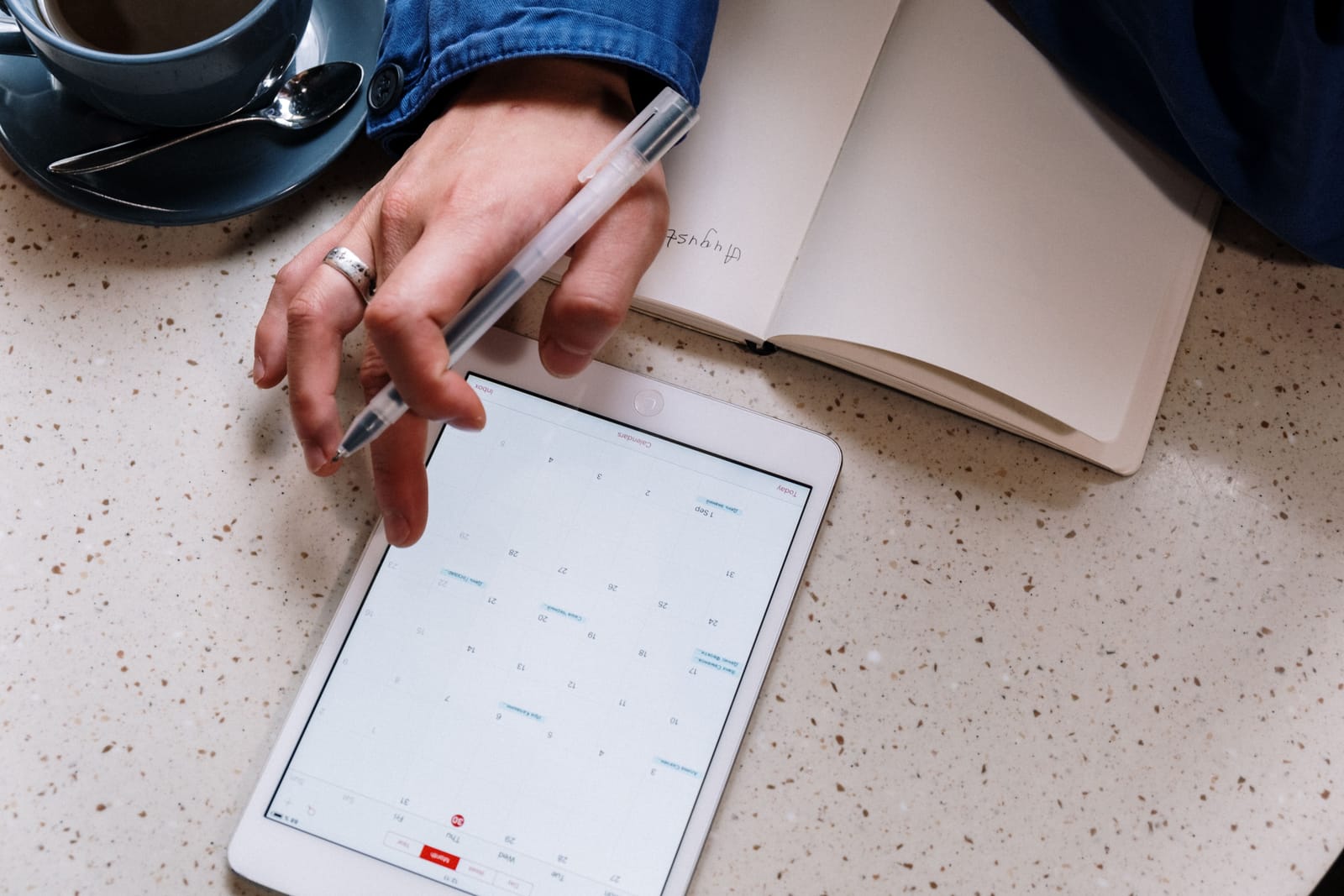
Compare the best calendar apps to manage work schedules, study plans, personal tasks, reminders, shared calendars, and daily routines in 2026.
Managing time is one of the biggest challenges for students, freelancers, office workers, business owners, and busy families. Work meetings, study deadlines, personal appointments, bills, reminders, events, habits, and daily tasks can easily become scattered across messages, notebooks, sticky notes, and different apps.
Introduction
Managing time is one of the biggest challenges for students, freelancers, office workers, business owners, and busy families. Work meetings, study deadlines, personal appointments, bills, reminders, events, habits, and daily tasks can easily become scattered across messages, notebooks, sticky notes, and different apps.
The Best Calendar Apps help users organise everything in one place. A good calendar app can show meetings, classes, assignments, personal tasks, reminders, shared events, birthdays, deadlines, and recurring routines in a clear daily, weekly, or monthly view.
Some calendar apps are simple and free. Others combine calendars with tasks, project planning, scheduling links, team collaboration, AI planning, shared family calendars, and time-blocking tools.
The right calendar app depends on how you manage your day. A student may need class schedules and assignment reminders, while a freelancer may need client calls, project deadlines, and invoice follow-ups. A business owner may need team meetings, appointments, and planning dashboards.
This guide compares ten of the Best Calendar Apps to manage work, study, and personal tasks in 2026.
For more productivity, planning, and mobile app recommendations, explore Apps Hunt, where we publish practical app guides for everyday users, students, freelancers, and small businesses.
Features, pricing, supported platforms, AI tools, task integrations, and calendar sync options may change. Always check the latest details on the provider’s official website or app-store listing before subscribing.
Best Calendar Apps at a Glance
| Calendar App | Best For | Main Strength | | --- | --- | --- | | Google Calendar | Best overall free calendar app | Simple scheduling, tasks, reminders and sharing | | Microsoft Outlook Calendar | Work and Microsoft 365 users | Email, calendar and task integration | | Apple Calendar | iPhone, iPad and Mac users | Built-in Apple calendar and reminders | | Notion Calendar | Notion and Google Calendar users | Calendar plus Notion workspace connection | | Any.do | Tasks and calendar together | Daily planner, tasks, reminders and events | | TickTick | Task-focused planning | Calendar view, tasks, habits and Pomodoro | | Todoist | Task scheduling and deadlines | Tasks with Google and Outlook Calendar integration | | Fantastical | Advanced calendar users | Natural language, tasks and scheduling tools | | TimeTree | Families and shared calendars | Shared planning for families, groups and partners | | Morgen | Time blocking and daily planning | Calendars, tasks and scheduling in one workflow |
How We Selected the Best Calendar Apps
Calendar apps are not all designed for the same type of user. Some are best for simple events, while others are better for work teams, study planning, family scheduling, personal productivity, or task management.
For this comparison, we considered:
- Ease of creating events
- Daily, weekly and monthly calendar views
- Android and iPhone availability
- Desktop and web access
- Task and reminder support
- Shared calendar features
- Work and study planning
- Time-blocking tools
- Recurring events
- Notifications and alerts
- Calendar syncing
- Google, Apple and Outlook integration
- Collaboration features
- Scheduling links
- Free-plan usefulness
- Suitability for students, workers, freelancers and families
The rankings are editorial recommendations. The best calendar app depends on your device, work style, schedule complexity, and whether you need events only or tasks and reminders as well.
Why Use a Calendar App?
A calendar app is more than a place to store dates. It is a planning system that helps you decide when something will happen.
A useful calendar app can help you:
- Plan meetings and appointments
- Track study deadlines
- Remember exams and assignments
- Schedule personal tasks
- Manage work calls
- Block focus time
- Share family events
- Set recurring reminders
- Avoid double booking
- Plan daily routines
- Coordinate with colleagues
- Review your week in advance
- Balance work, study and personal life
If you only write tasks in a to-do list, you may still forget when to do them. A calendar gives your tasks a clear time and place.
You can also explore more productivity and focus app guides on Apps Hunt to find tools for notes, tasks, habits, calendars, reminders and daily planning.
1. Google Calendar — Best Overall Free Calendar App
Google Calendar is one of the most widely used calendar apps because it is simple, free, and works well across Android, iPhone, web browsers and Google accounts.
Users can create events, set reminders, add guests, manage multiple calendars, create recurring schedules, add locations, use widgets, and view tasks alongside events.
Google Calendar is especially useful for users already using Gmail, Google Meet, Google Tasks, Google Workspace, Google Drive, or Android devices.
It works well for personal planning, work meetings, study schedules, family events, class timetables and daily reminders.
Key Features
- Easy event creation
- Daily, weekly and monthly views
- Multiple calendars
- Google Tasks support
- Event reminders
- Recurring events
- Guest invitations
- Location and video meeting links
- Shared calendars
- Calendar widgets
- Gmail and Google Workspace integration
- Android, iPhone and web access
Best For
Google Calendar is best for students, freelancers, Android users, Gmail users, small teams, and anyone who wants a reliable free calendar app.
Possible Limitation
Google Calendar is excellent for scheduling, but users who need deeper task management, habit tracking, or project planning may need apps such as TickTick, Todoist, Any.do or Notion Calendar.
2. Microsoft Outlook Calendar — Best for Work and Microsoft 365 Users
Microsoft Outlook Calendar is a strong choice for professionals, office workers, students and businesses already using Microsoft Outlook, Microsoft 365, Exchange, Teams or Microsoft To Do.
Outlook combines email, calendar and contacts in one app. Users can schedule meetings, view availability, manage work events, create reminders, join online meetings, and organise their day around both calendar events and tasks.
Outlook also connects with Microsoft To Do, allowing users to manage tasks and deadlines alongside email and calendar workflows.
This makes it useful for people whose workday already happens inside Microsoft tools.
Key Features
- Email and calendar in one app
- Meeting scheduling
- Work calendar support
- Microsoft To Do integration
- Event reminders
- Shared calendars
- Teams meeting links
- Availability checking
- Exchange and Microsoft 365 support
- Mobile and desktop apps
- Contacts integration
- Work-focused calendar management
Best For
Outlook Calendar is best for office workers, managers, students, businesses, Microsoft 365 users, and teams that depend on Outlook or Teams.
Possible Limitation
Users outside the Microsoft ecosystem may find Google Calendar or Apple Calendar easier for simple personal scheduling.
3. Apple Calendar — Best Built-In Calendar for iPhone Users
Apple Calendar is built into iPhone, iPad, Mac and Apple Watch.
It allows users to create events, add locations, set alerts, invite people, manage multiple calendars, use iCloud syncing, and view schedules across Apple devices.
Apple Calendar works naturally with Apple Reminders, Siri, Maps, Mail and other Apple services. Users can also create reminders that appear inside Calendar on supported Apple systems.
For iPhone and Mac users, Apple Calendar is one of the easiest choices because it is already installed and does not require a separate subscription.
Key Features
- Built into Apple devices
- iCloud calendar syncing
- Event creation
- Alerts and reminders
- Shared calendars
- Multiple calendar support
- Day, week, month and year views
- Siri support
- Apple Maps location support
- Apple Reminders connection
- Family calendar support
- No separate calendar subscription
Best For
Apple Calendar is best for iPhone, iPad, Mac and Apple Watch users who want a clean built-in calendar.
Possible Limitation
Apple Calendar is not ideal for users who regularly switch between Android, Windows and non-Apple ecosystems.
4. Notion Calendar — Best for Notion and Google Calendar Users
Notion Calendar is designed for users who want to connect calendar planning with Notion workspaces.
It can display Google Calendar events and connect with Notion pages and databases. This makes it useful for creators, students, freelancers and teams that already organise projects, content calendars, study plans or task databases inside Notion.
Notion Calendar is available on web, Mac, Windows, iOS and Android. It is especially helpful for users who want to view meetings, deadlines, content plans and Notion-based work in one place.
If your workflow includes Notion for planning and documents, Notion Calendar can make your schedule feel more connected.
Key Features
- Google Calendar integration
- Notion workspace connection
- Notion database calendar views
- Event scheduling
- Calendar widgets
- Web, Mac, Windows, iOS and Android access
- Clean calendar interface
- Time-zone support
- Meeting and event planning
- Useful for content calendars
- Helpful for project dashboards
- Works well with Notion workflows
Best For
Notion Calendar is best for Notion users, creators, content planners, students, freelancers and teams managing tasks or projects in Notion.
Possible Limitation
Users who do not use Notion may not get the full value. Some users may prefer Google Calendar, Outlook or Apple Calendar for simpler scheduling.
5. Any.do — Best Calendar App for Tasks and Daily Planning
Any.do combines a to-do list, daily planner, reminders and calendar view in one productivity app.
It is useful for people who want to see tasks and calendar events together. Users can plan their day, create tasks, set reminders, manage lists, use calendar views, and organise work or personal responsibilities from one dashboard.
Any.do is available on Android, iPhone, web, Mac and Windows. It is suitable for people who want a practical mix of calendar planning and task management without building a complex productivity system.
Key Features
- Calendar view
- To-do lists
- Daily planner
- Reminders
- Recurring tasks
- Subtasks
- Lists and categories
- Calendar event management
- Google Calendar and Outlook integration
- Android and iPhone apps
- Web, Mac and Windows support
- Personal and work planning
Best For
Any.do is best for users who want a simple calendar and task manager together.
Possible Limitation
Advanced reminders, themes, unlimited planning features and some productivity tools may require a paid plan.
If you are comparing productivity tools for personal or business work, check more digital planning guides on Apps Hunt Blog.
6. TickTick — Best for Tasks, Calendar View and Focus Planning
TickTick is mainly known as a task manager, but it also provides calendar-related planning features, reminders, habits and Pomodoro focus tools.
Users can create tasks, set dates and times, manage lists, organise projects, use reminders, view tasks in calendar-style layouts, track habits, and use Pomodoro sessions for focused work.
This makes TickTick useful for students, freelancers, creators and professionals who want to plan tasks by time instead of only keeping lists.
TickTick can be especially helpful for people who practise time blocking, exam planning, content schedules or focused work routines.
Key Features
- Task management
- Calendar view
- Reminders
- Recurring tasks
- Habit tracking
- Pomodoro timer
- Lists and tags
- Priority levels
- Focus tools
- Widgets
- Android and iPhone support
- Desktop and web access
Best For
TickTick is best for users who want task planning, calendar view, reminders, habits and focus sessions in one app.
Possible Limitation
Some calendar and advanced productivity features may require a premium subscription.
7. Todoist — Best for Task Scheduling and Deadlines
Todoist is a popular task management app that works well with calendar planning.
Users can create tasks, assign due dates, set priorities, organise projects, use labels, create recurring tasks, and view tasks alongside calendar events through Google Calendar or Outlook Calendar integrations.
Todoist is useful for people who prefer managing tasks first and then scheduling them around meetings, study sessions, work deadlines or personal routines.
It is especially helpful for students, freelancers and professionals who need a clear system for deadlines.
Key Features
- Task creation
- Due dates and times
- Recurring tasks
- Projects and sections
- Priorities
- Labels and filters
- Calendar integration
- Google Calendar support
- Outlook Calendar support
- Today and Upcoming views
- Android and iPhone apps
- Desktop and web access
Best For
Todoist is best for users who manage life through tasks and deadlines but also want calendar visibility.
Possible Limitation
Todoist is stronger as a task manager than a traditional calendar app. Users who need detailed calendar features may still use it with Google Calendar or Outlook.
8. Fantastical — Best for Advanced Calendar Users
Fantastical is a premium calendar app known for its polished interface, natural language event creation, calendar sets, tasks and scheduling tools.
Users can type phrases such as “Meeting with Ali tomorrow at 3 PM” and Fantastical can turn them into calendar events. It also supports tasks, multiple calendar services, scheduling features and advanced views.
Fantastical is useful for people who live inside their calendar and want more control than a basic built-in calendar provides.
It is available across Apple platforms and Windows, but Android support is not its main strength.
Key Features
- Natural language event creation
- Multiple calendar support
- Calendar sets
- Tasks support
- Scheduling tools
- Availability sharing
- Meeting planning
- Time-zone support
- Weather integration on supported plans
- Apple ecosystem support
- Windows support
- Premium calendar experience
Best For
Fantastical is best for professionals, executives, consultants, creators and advanced calendar users who want a polished scheduling experience.
Possible Limitation
Fantastical may be more expensive than simple calendar apps, and Android users may need another option.
9. TimeTree — Best Shared Calendar App for Families and Groups
TimeTree is designed around shared calendars.
Families, couples, roommates, student groups, friends and small teams can create shared calendars where everyone can see events, add plans, coordinate schedules and stay updated.
This makes TimeTree useful for home routines, school events, family appointments, shared chores, group study schedules, trips, social plans and community activities.
Users can also display external calendars such as Google Calendar or device calendars in TimeTree where supported.
Key Features
- Shared calendars
- Family and group planning
- Event comments
- Event notifications
- Calendar sharing by link
- Multiple calendars
- External calendar display
- Android and iPhone support
- Web access
- Group coordination
- Personal and shared schedules
- Useful for families and partners
Best For
TimeTree is best for families, couples, students, roommates and small groups that need shared calendar planning.
Possible Limitation
TimeTree is strongest for shared events. Users who need advanced work scheduling, tasks or deep productivity features may prefer Google Calendar, Outlook, Any.do or TickTick.
10. Morgen — Best for Time Blocking and Daily Planning
Morgen is a calendar and planning app designed to bring calendars, tasks and scheduling into one workflow.
It is useful for people who want to plan tasks directly into their calendar, protect focus time, manage multiple calendars, and reduce switching between different planning tools.
Morgen supports scheduling features, task planning and calendar management. It is especially useful for users who practise time blocking or want a daily planner that combines events and to-dos.
Key Features
- Calendar management
- Task scheduling
- Time blocking
- Multiple calendar support
- Daily planning
- Scheduling links
- Availability sharing
- Task lists
- Focus time planning
- Calendar integrations
- Desktop and mobile access
- Productivity-focused workflow
Best For
Morgen is best for professionals, freelancers, founders, students and remote workers who want to schedule tasks directly into the calendar.
Possible Limitation
Morgen may require more setup than simple calendars. Users who only need basic events may prefer Google Calendar, Apple Calendar or Outlook.
If you want AI-powered productivity and planning tools beyond calendar apps, you can explore AI App Space, where AI tools and app solutions are shared for digital workflows.
How to Choose the Best Calendar App
The best calendar app depends on what you are trying to manage.
Choose Google Calendar for Simple and Free Scheduling
Google Calendar is suitable when you want an easy free calendar for work, study, personal tasks and shared events.
Choose Outlook Calendar for Work
Outlook Calendar is useful when your work or school already uses Microsoft 365, Teams, Exchange or Outlook email.
Choose Apple Calendar for iPhone and Mac
Apple Calendar is the easiest option when most of your devices are from Apple.
Choose Notion Calendar for Project Planning
Notion Calendar is practical when you already use Notion for notes, tasks, content planning or databases.
Choose Any.do for Daily Planning
Any.do is useful when you want tasks, reminders and calendar events in one simple planner.
Choose TickTick for Task-Based Scheduling
TickTick is suitable when tasks, habits, reminders and focus sessions are more important than meeting scheduling alone.
Choose Todoist for Deadlines
Todoist works well when you manage deadlines and want to see tasks alongside calendar events.
Choose Fantastical for Advanced Calendar Use
Fantastical is useful when you want natural language event creation, premium views and scheduling tools.
Choose TimeTree for Shared Family Planning
TimeTree is ideal when a shared family, group or partner calendar is the main requirement.
Choose Morgen for Time Blocking
Morgen is best when you want to schedule tasks into your calendar and protect focus time.
Features to Look for in Calendar Apps
Before choosing a calendar app, check whether it supports your real daily routine.
Easy Event Creation
A good calendar app should let you create events quickly with:
- Event title
- Date and time
- Location
- Reminder
- Notes
- Guests
- Repeating schedule
- Video meeting link
- Calendar category
- Attachments where supported
Task and Reminder Support
Many people need both events and tasks.
Events happen at a specific time. Tasks are things you need to complete.
Useful task features include:
- Due dates
- Start times
- Recurring tasks
- Priority levels
- Subtasks
- Task reminders
- Task lists
- Calendar scheduling
- Completion status
Calendar Views
Different views help in different situations.
Look for:
- Day view
- Week view
- Month view
- Agenda view
- Year view
- Timeline view
- Workweek view
- List view
- Widget view
Students may prefer weekly views, while professionals may use day and agenda views more often.
Shared Calendars
Shared calendars are useful for:
- Families
- Couples
- Study groups
- Teams
- Roommates
- Project groups
- Small businesses
- Event planning
Useful sharing features include event comments, guest invitations, permission controls and shared notifications.
Cross-Device Sync
Your calendar should sync across the devices you actually use.
Check support for:
- Android
- iPhone
- iPad
- Windows
- Mac
- Web browser
- Wear OS
- Apple Watch
- Tablets
- Work accounts
Notifications and Reminders
Good reminders prevent missed meetings and deadlines.
Useful reminder options include:
- Push notifications
- Email reminders
- Multiple alerts
- Location-based reminders
- Recurring reminders
- Snooze
- Persistent alerts
- Smart notifications
Time Blocking
Time blocking helps users reserve specific time for tasks.
This is useful for:
- Deep work
- Study sessions
- Exercise
- Reading
- Admin tasks
- Client work
- Content creation
- Household chores
- Rest time
Scheduling Links
Scheduling links help others book time with you without long back-and-forth messages.
This is useful for:
- Client calls
- Interviews
- Coaching sessions
- Consultations
- Sales calls
- Office hours
- Team meetings
Privacy and Account Control
Calendars can contain sensitive information about your daily life.
Review:
- Account security
- Calendar sharing settings
- Public calendar links
- Guest permissions
- Data export
- Privacy policy
- Third-party integrations
- Work account controls
- Two-factor authentication
- Device access
Never make a personal calendar public unless you understand exactly what is visible.
Calendar App Tips for Work, Study and Personal Life
A calendar app becomes more useful when you use it consistently.
Use Separate Calendars
Create separate calendars for:
- Work
- Study
- Personal
- Family
- Health
- Bills
- Content
- Projects
- Appointments
- Travel
This makes it easier to show or hide categories when needed.
Add Deadlines Early
Do not wait until the last day to add a deadline.
Add deadlines as soon as you receive them, especially for:
- Exams
- Assignments
- Client projects
- Bills
- Meetings
- Renewals
- Appointments
- Application dates
Use Reminders Wisely
Set reminders according to the task.
Examples:
- 10 minutes before a meeting
- 1 hour before a class
- 1 day before a bill
- 1 week before an exam
- 2 days before a project deadline
Plan the Week in Advance
Spend 10 minutes every Sunday or Monday reviewing your week.
Check:
- Important deadlines
- Meetings
- Study sessions
- Personal commitments
- Travel time
- Focus blocks
- Pending tasks
Avoid Overfilling Your Calendar
A calendar should help you manage time realistically.
Do not schedule every minute without breaks. Leave space for:
- Travel
- Meals
- Rest
- Unexpected tasks
- Delays
- Deep work
- Family time
Review Daily
A quick morning review helps you understand what matters most.
Ask:
- What is fixed today?
- What can move?
- What must be completed?
- Where do I need focus time?
- What can be postponed?
For more helpful app guides around productivity, AI tools, business tools and digital organisation, visit Apps Hunt and AI App Space.
Common Calendar Mistakes to Avoid
Using Too Many Apps
If your work calendar, personal calendar and task list never connect, you may miss important commitments.
Not Setting Reminders
Adding an event without a reminder can still lead to missed deadlines.
Ignoring Travel Time
Meetings and appointments often require preparation and travel time.
Making Everything Urgent
If every task is marked urgent, nothing feels truly important.
Forgetting Recurring Events
Use recurring events for weekly classes, monthly bills, medication, meetings and regular routines.
Not Checking Shared Calendar Permissions
Be careful when sharing calendars with colleagues, family members or public links.
Overplanning Without Action
A calendar should support action, not become another place to reorganise tasks endlessly.
Best Calendar Apps by Use Case
Best for Work
- Microsoft Outlook Calendar
- Google Calendar
- Fantastical
- Morgen
- Notion Calendar
Best for Students
- Google Calendar
- TickTick
- Todoist
- Notion Calendar
- Apple Calendar
Best for Personal Tasks
- Any.do
- TickTick
- Google Calendar
- Apple Calendar
- Todoist
Best for Families
- TimeTree
- Google Calendar
- Apple Calendar
- Microsoft Family Safety calendar options where relevant
Best for Time Blocking
- Morgen
- TickTick
- Google Calendar
- Fantastical
- Notion Calendar
Best for Shared Calendars
- TimeTree
- Google Calendar
- Outlook Calendar
- Apple Calendar
Best for Simple Free Use
- Google Calendar
- Apple Calendar
- Outlook Calendar
- TimeTree
- Microsoft To Do with Outlook
Which Calendar App Should You Choose?
Choose Google Calendar when you want a simple, free and reliable calendar for work, study and personal tasks.
Choose Microsoft Outlook Calendar when your school, company or team uses Microsoft 365 or Outlook.
Choose Apple Calendar when you mainly use iPhone, iPad and Mac.
Choose Notion Calendar when your projects, tasks or content plans already live in Notion.
Choose Any.do when you want tasks, reminders and calendar events together.
Choose TickTick when task planning, habits and focus sessions are important.
Choose Todoist when you need a strong task manager with calendar integration.
Choose Fantastical when you want advanced calendar features and natural language scheduling.
Choose TimeTree when shared family or group planning is your priority.
Choose Morgen when you want to schedule tasks directly into your calendar and practise time blocking.
Final Thoughts
The Best Calendar Apps help users manage work, study and personal tasks more clearly.
Google Calendar is one of the strongest free options for everyday scheduling. Outlook Calendar is excellent for work and Microsoft users, while Apple Calendar is a natural choice for iPhone and Mac users.
Notion Calendar is useful for Notion-based planning, Any.do combines tasks and calendar views, and TickTick helps users manage tasks, habits and focus sessions.
Todoist is strong for deadlines, Fantastical offers advanced scheduling, TimeTree is excellent for shared family calendars, and Morgen is useful for time blocking and daily planning.
Start by choosing one calendar app that fits your main device and daily routine. Add your important events, create separate calendars, set reminders, plan your week, and review your schedule daily.
A calendar app should not make your life more complicated. It should help you see your time clearly, protect your priorities, and manage your work, study and personal responsibilities with less stress.
For more helpful app recommendations, visit Apps Hunt. You can also explore AI-powered digital tools and productivity solutions at AI App Space.
Explore more productivity, task management and calendar app guides on Apps Hunt
Frequently asked questions
Google Calendar, Microsoft Outlook Calendar, Apple Calendar, Notion Calendar, Any.do, TickTick, Todoist, Fantastical, TimeTree and Morgen are strong calendar apps for work, study, personal tasks and shared planning.
Google Calendar is one of the best free calendar apps because it supports events, multiple calendars, reminders, tasks, shared calendars, widgets, and access across Android, iPhone and web browsers.
Google Calendar, TickTick, Todoist, Notion Calendar and Apple Calendar are useful for students. They can help manage class schedules, study sessions, exams, assignments, reminders and personal routines.
Microsoft Outlook Calendar is a strong choice for work if your company uses Microsoft 365, Teams or Exchange. Google Calendar is also excellent for teams using Google Workspace.
Apple Calendar is the best built-in option for iPhone users. Google Calendar, Outlook Calendar, Notion Calendar, Any.do and Fantastical are also useful depending on your workflow.
Google Calendar is one of the best options for Android users because it works naturally with Google accounts, Gmail, Google Tasks, widgets and Android devices.
TickTick, Todoist and Any.do are strong choices for task-based calendar planning. Google Calendar and Outlook Calendar are also useful when connected with Google Tasks or Microsoft To Do.
TimeTree is one of the best shared calendar apps for families and groups. Google Calendar and Apple Calendar also support shared calendars for family planning.
Yes. Morgen, TickTick, Google Calendar, Fantastical and Notion Calendar can help users block time for work, study, tasks, meetings, routines and focused sessions.
Look for easy event creation, task support, reminders, shared calendars, day and week views, recurring events, cross-device sync, scheduling links, privacy controls and integrations with the tools you already use.